
Understanding Your Tiny Stakeholder
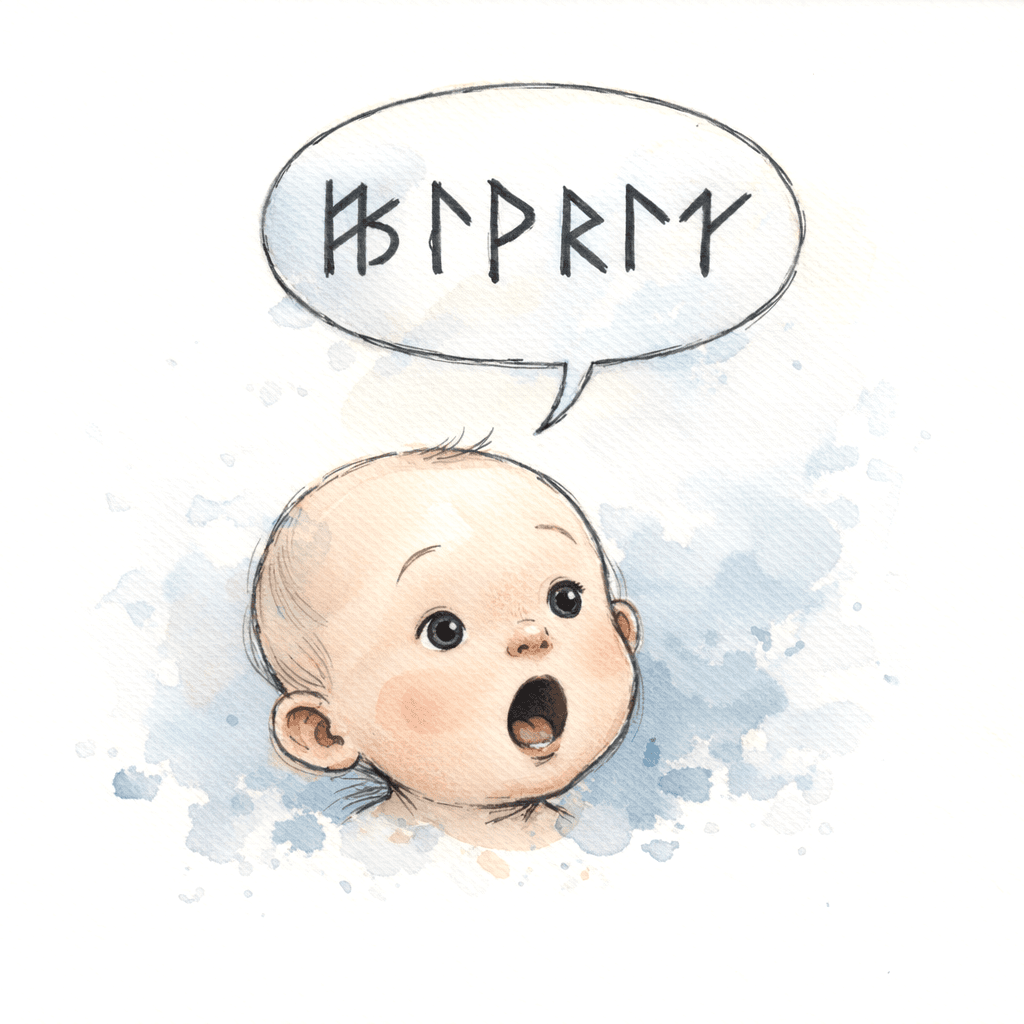
Getting into their head—or at least trying to understand why pants are suddenly "wrong" and the purple shirt has "bad sleeves." User research for humans who can't articulate their requirements.

The Growth Skills Ladder
Adam Fishman's growth competency model shows what skills matter at each stage. Same framework works for developmental milestones.
 Inspired by Adam Fishman
What Keeps Them Engaged
Albert Cheng on retention metrics—understanding what keeps users coming back. Same question for kids: what keeps them regulated and content?
 Inspired by Albert Cheng
Manage Energy, Not Just Time
Ami Vora's approach to productivity isn't about time blocking—it's about energy management. Same goes for toddler meltdowns.
 Inspired by Ami Vora
You Pick When They're Ready
Ayo Omojola's hiring lesson—you pick people, they pick timing—applies to parenting milestones. You create conditions, then wait.
 Inspired by Ayo Omojola
Start with Your Kid's Actual Needs
Bill Carr on working backwards: start with the customer's needs, not your constraints. Start with your child's needs, not your agenda.
 Inspired by Bill Carr
Map the Journey, Not the Features
Customer journey mapping reveals how people actually use your product, not how you think they do. Same with bedtime routines.
 Inspired by Gia Laudi
Meet Them Where They Are
Jiaona Zhang on user research: meet users where they are, not where you want them to be. Kids need the same courtesy.
 Inspired by Jiaona Zhang
Get Curious, Not Furious
Joe Hudson's antidote to reactivity: get curious about why someone's behaving that way instead of just reacting.
 Inspired by Joe Hudson
Know Their Actual Job to Be Done
Krithika Shankarraman says marketers fail when they guess what customers need. Parents fail when they assume developmental stages.
 Inspired by Krithika Shankarraman
Every Kid Is Their Own Cohort
Lauren Ipsen on finding the right fit, not the best person. Your toddler isn't "toddlers"—they're this specific toddler.
 Inspired by Lauren Ipsen
You Are Not Your User
Raaz Herzberg: most dangerous product person says 'I would never use this' as if their opinion trumps data. Your toddler is not you.
 Inspired by Raaz Herzberg